
Re-Setting Your Exercise Goals for Active Winter Holidays
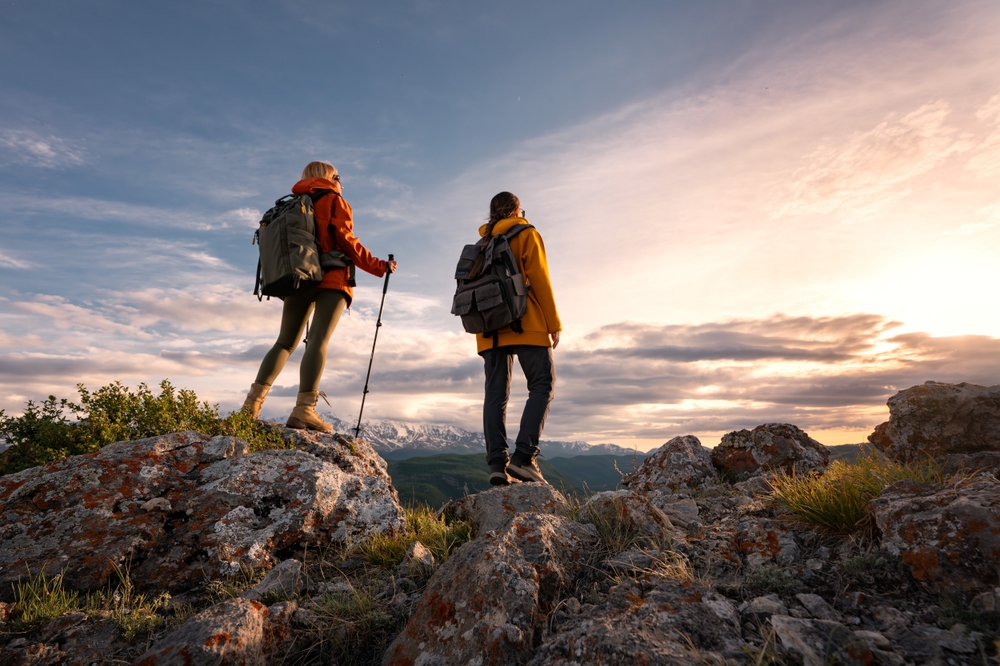
September always feels like a fresh start and the perfect time to check in on any January resolutions we made. The summer rush passes, routines return and many of us feel ready to reset our fitness regimes. It’s also the perfect moment to think ahead to any active winter holidays you’ve got planned. Whether it’s skiing, snowboarding, winter hiking or simply wanting to feel fitter on a cold‑weather city break, the goals you set now can make those trips feel far more enjoyable.
Focusing on training now isn’t about unrealistic expectations, it’s about building sustainable habits that help you feel confident, capable and ready for whatever your winter brings.
Why September is the ideal time to reset your fitness goals
As the seasons start to change and the weather gets cooler, our motivation often change with them. September gives us a natural break to reassess what we want from our training, time to build a meaningful fitness plan in preparation for any winter breaks and a chance to re-establish some structure after a summer of fun but disrupted routines.
The key is keeping your goals realistic. Aiming for consistency is so much better for us than perfection, adding in small, regular steps will help us to out perform a couple of short bursts of intensity.
Training for winter sports: what your body needs
Winter sports generally demand a blend of mobility, balance, strength and endurance. You don’t need to train like a professional skier, but you do need to prepare your body for the movements you’ll repeat on the slopes.
Hip and ankle mobility: These joints take the brunt of skiing and snowboarding. Improving mobility now helps you move more freely and reduces the risk of stiffness or strain.
Leg strength and control: Think squats, lunges, step‑downs and glute work, you’re building stability as much as strength.
Core endurance: A strong, steady core helps you stay upright, react quickly and maintain good posture on uneven terrain.
Cardiovascular fitness: Even gentle skiing days involve long periods of movement at altitude, a base level of cardio makes the whole experience more enjoyable.
You don’t need to overhaul your entire fitness routine, just weave key exercises into your weekly training in a way that feels achievable.
Keeping your goals realistic
A realistic goal is one that fits your lifestyle, not one that demands you change everything about it. A few examples include:
- Two strength sessions per week rather than aiming for five.
- A mobility routine you can do in ten minutes before bed.
- A longer weekly walk or run to build endurance.
- A short core circuit added to the end of your usual workout.
The aim is progress, not perfection. If you miss a session, you haven’t failed, simply pick up where you left off.
Other active holidays to train for
Even if skiing isn’t on your calendar, many winter trips benefit from a little preparation:
Winter hiking or cold‑weather trekking: Focus on ankle stability, calf strength and steady‑state cardio.
City breaks with lots of walking: Build foot and hip resilience with step‑ups, glute work and regular long walks.
Festive trips with family activities: General mobility and strength help you feel more energetic and less achy.
Adventure holidays like dog‑sledding or snowshoeing: These require more endurance and core strength than people expect.
Training for a holiday doesn’t need to be intense. It’s simply about making the experience more comfortable and enjoyable.
Nutrition habits that support your goals
As routines settle in September, it’s also a great time to tidy up nutrition habits that help your training feel easier.
Prioritise protein to support recovery and maintain muscle while eating enough carbohydrates to fuel your workouts and keep energy stable. Staying hydrated is worth our attention, especially as cooler weather often reduces thirst. Planning simple, balanced meals to keep things consistent without feeling restrictive.
This isn’t about dieting, it’s about fuelling your body, so your training feels good.
Lifestyle factors that make a difference
A few small habits can dramatically improve how your body feels as you increase activity, they include:-
- Regular sleep so your body can recover.
- Move daily, even if it’s just gentle mobility or a short walk.
- Manage stress so training feels easier and recovery improves.
- Prioritise consistency over intensity to build momentum.
Bringing it all together
September is your chance to re-set goals that feel achievable and meaningful. You don’t need to train like an athlete to enjoy winter sports or active holidays, you just need steady habits, realistic expectations and a plan that supports your lifestyle.
If you start now, you’ll arrive at your winter adventures feeling stronger, more mobile and more confident in your body’s ability to handle whatever the trip throws at you. Get in touch to see how working with a PT might help.
