
Exercises for the Plane and How to Stay Mobile While Travelling
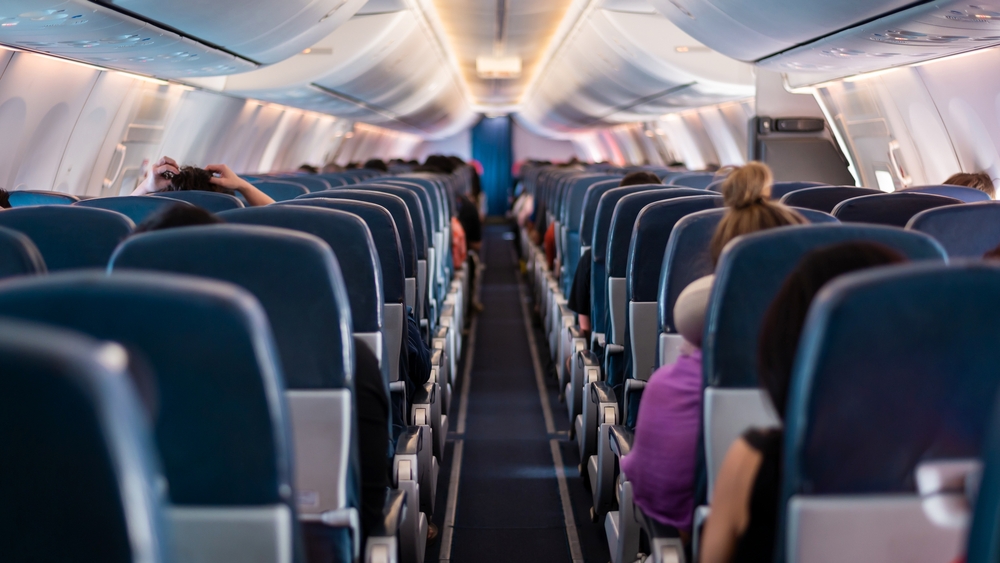
Travelling for our holidays should be the start of your break, but our bodies often have a different opinion. Sitting on flights, cramped seats, awkward angles and hours of being still can leave joints feeling stiff, swollen or strangely achy by the time you reach your destination. As we head into school summer holidays, it’s worth remembering that your body doesn’t stop needing movement just because you’re at 30,000 feet. In fact, the combination of reduced circulation, limited space and prolonged sitting makes gentle mobility even more important.
Most of the discomfort we feel on planes comes down to three things: joints being held in the same position for too long, muscles switching off and becoming sluggish and circulation slowing down. When you sit for extended periods, the hips stay flexed, the knees stay bent, the ankles barely move and the spine loses its natural curves. The body is designed for movement, so when it doesn’t get any, tissues stiffen, fluid pools and everything feels a bit stuck. The good news is that you don’t need a yoga studio or a full aisle to keep things moving. Small, subtle exercises done in your seat or during short standing breaks can make a huge difference. Below are our ten easy exercises to do with limited space whilst travelling:
- Let’s start with the spine, because it’s the anchor for everything else. Plane seats aren’t exactly known for supporting natural posture, so your back often rounds and your ribcage collapses. A simple seated spinal reset helps enormously. Sit tall, place your hands lightly on your thighs and imagine lengthening the crown of your head upwards. From here, gently arch your back to find a small lift in your chest, then reverse it by rounding slightly and letting the shoulder blades widen (a bit like a seated cat and cow movement). Moving between these two shapes restores the back muscles length and wakes up the supportive muscles for our posture, even five or six slow repetitions can ease that compressed feeling.
- Your neck is another area that suffers during travel, especially if you fall asleep in a strange position. A gentle neck mobility sequence keeps things comfortable. Start by slowly turning your head left and right, only as far as feels natural. Then tilt one ear towards your shoulder, pause, and repeat on the other side. Finally, tuck your chin slightly and lengthen the back of your neck. These movements help reduce tension from slouching and stop that ‘cricked neck’ sensation that often appears after a long flight.
- The hips are the real troublemakers when it comes to stiffness. Because they stay flexed for hours, the front of the hip can tighten and the glutes can switch off. A simple seated hip opener works wonders. Sit tall and gently lift one knee a few centimetres, hold for a moment, then lower it, this small movement activates the hip flexors without straining them. Follow it with a seated figure‑four stretch if space allows: cross one ankle over the opposite knee and lean forward slightly until you feel a stretch in the outer hip. If crossing the leg isn’t possible, simply widen your knees a little and hinge forward to open the hips. These movements help restore circulation and reduce that stiff, achy feeling when you stand up after landing.
- Your knees often feel stiff because they’ve been held in a fixed bend for too long. A simple knee glide helps. Sit tall and slide one foot forward until the leg straightens, then bend it back in. Repeat slowly, focusing on the smooth movement of the joint. This keeps the tissues around the knee lubricated and reduces that “rusty hinge” sensation when you first stand up.
- Ankles are crucial for circulation, especially on flights where swelling can be an issue. Ankle pumps are one of the most effective exercises you can do while seated. Point your toes away from you, then pull them back towards you, repeating for 20–30 seconds. Follow this with slow ankle circles in both directions. These movements act like a mini‑circulatory pump, helping blood and lymph move through the lower legs and reducing swelling.
- Feet also benefit from a bit of attention. Spread your toes inside your shoes, then scrunch them gently. This wakes up the small muscles of the feet and helps relieve tension from being stuck in one position.
- If you’re able to stand for a moment, even in the aisle or near the toilets, a few simple standing exercises can reset your whole body. Start with a gentle march on the spot, lifting your knees just a little to get blood flowing. Add a few calf raises by rising onto the balls of your feet and lowering slowly. These are brilliant for circulation and help prevent that heavy, swollen feeling in the lower legs.
- A standing hip circle is another great option. Place your hands lightly on your hips and draw slow circles, first one way, then the other. This frees up the pelvis and lower back, especially after hours of sitting. If you have a tiny bit more space, a gentle forward fold can be magic. Soften your knees, hinge forward and let your upper body hang for a moment. This decompresses the spine and stretches the hamstrings without needing much room.
- Shoulders also tighten during travel, especially if you’ve been carrying bags or sitting with your arms close to your sides. A simple shoulder roll sequence helps. Lift your shoulders up, roll them back and let them drop down. Repeat a few times, then reverse the direction. This encourages better posture and reduces upper‑back tension.
- One of the most underrated travel exercises is deep breathing. Long periods of sitting can make your breathing shallow, which reduces oxygen flow and contributes to fatigue. A few slow, deep breaths expand the ribcage, improve circulation and help your body relax. Place one hand on your lower ribs and breathe deeply in through your nose, feeling the ribs widen. Exhale slowly through your mouth and repeat. It’s subtle, calming and surprisingly effective.
The key message for travellers is simple: movement doesn’t have to be big to be beneficial. Even tiny, discreet exercises done regularly throughout a journey can keep joints happier, reduce stiffness and make arriving at your destination feel far more comfortable. Think of it as giving your body little reminders that it hasn’t been forgotten. Every glide, stretch and gentle activation helps counteract the effects of prolonged sitting.
Travelling will always involve some unavoidable stillness, but your body doesn’t have to pay the price for it.. Whether you’re flying long‑haul, hopping on a train or sitting in a car for hours, these exercises help you arrive feeling more energised, more comfortable and ready to enjoy wherever you’re headed. To find out more about planning your own exercise plan, get in touch.
