
Listen, adapt and recover: Keeping active whilst recovering from injury
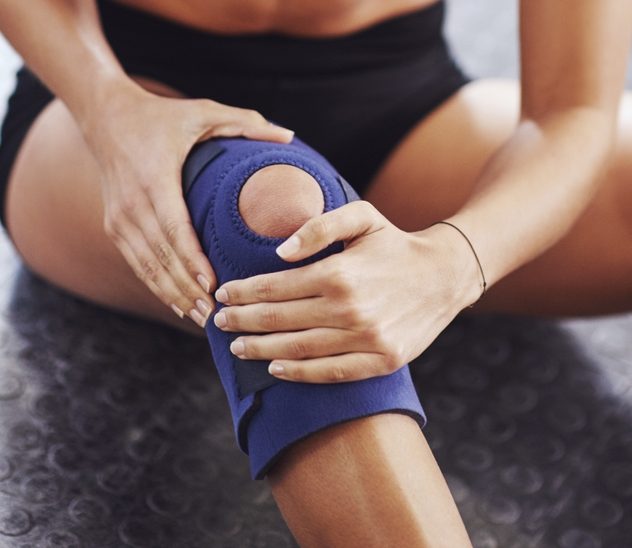
Injuries are frustrating. They interrupt routines, stall momentum and can leave even the most motivated person feeling stuck. But an injury doesn’t have to mean hitting pause on your entire fitness journey, with the right guidance and a smart, adaptable mindset, you can stay active and continue making progress.
Get professional advice
Before you do anything else, get your injury assessed by a qualified professional. That might be a GP, physiotherapist, sports therapist, or another licensed clinician. They can:
- Identify what’s actually going on.
- Rule out anything serious.
- Give you clear boundaries on what you can and cannot do.
- Provide a plan for safe recovery.
This step matters because guessing, pushing through pain, or relying on “Google diagnoses” can turn a small issue into a long‑term problem. A professional’s guidance becomes your roadmap.
Shift Your Mindset From ‘all or nothing’ to ‘work with what you’ve got’
Once you know what’s safe, the goal becomes adapting, not stopping. Injury often affects one area, not your entire body, that means there’s usually plenty you can train. Instead of focusing on what’s off‑limits, shift your attention to what’s still available. This mindset keeps you consistent, boosts your mood, plus helps you maintain strength and mobility while you heal.
Train the unaffected areas
If your ankle is injured, for example, your lower body might be limited, but your upper body and core are still ready to go. With professional clearance, you can explore options like:
- Seated upper‑body strength training: Dumbbell presses, rows, biceps curls, triceps work, performed seated or supported to avoid loading the injured area.
- Core‑focused training: Pilates‑style movements, mat‑based core work and controlled stability exercises that don’t involve standing or weight‑bearing.
- Mobility and flexibility work: Gentle upper‑body mobility, breathwork and non‑weight‑bearing stretches can keep you feeling connected to your body.
The key is to stay within the boundaries your clinician sets. “Pain‑free” and “non‑weight‑bearing” become your guiding principles.
Adapt your routine while keeping active
Injury can shake your confidence, but staying active in modified ways helps you maintain your identity as someone who moves, trains and takes care of themselves. You’re not starting over, you’re simply training differently for a while. Small wins matter, such as:
- Keeping to a consistent schedule.
- Celebrating what your body can do.
- Tracking progress in new areas.
- Staying connected to your fitness community.
These habits support both physical and mental recovery.
Client case studies
Over my 7 years as a PT I have worked with various clients that have injuries or limitations. Once they have been to a see a professional for a diagnosis, my role is to help them to stay active.
When my client Sarah was diagnosed with bursitis (inflammation or irritation of a bursa sac) in her hip two years ago, we shifted to a chair-based workout. Guided by the physiotherapist, we focused on exercises that strengthen the hips, like seated clams, arms and core, we did these seated to reduce the extra strain from standing. We meet online twice a week, so on those days she knew she was completing the exercises she had been prescribed and only had to remember to do them 1 – 2 more times in between.
Around the same time Milica was diagnosed with a rotator cuff injury so after she was given her exercises by the physio with set out with the same approach. Training twice a week we did her exercises while being careful not to do any of the overhead presses, until the inflammation in her shoulder had settled down. We continued to do lower body and core exercises to keep her feeling positive, rather than letting her shoulder pain rule out all movement, leading to frustration. We did resistance band opening and closing gates, single arm resistance band rows and chest presses to strengthen the area, reducing the chances of the injury reoccurring.
More recently my client Sophie has been seeing a specialist about discomfort in her knee. More lateral activates such as tennis have caused her knee to be painful and swollen. While she has had several injections into her knee to help with the inflammation, we are doing wall sits, clams and leg lifts (seated) to strengthen the muscles around the knee joint. Swimming is also really helping Sophie stay active, strong in her arms and core, bridging the cardio gap that lots of tennis has left behind.
Recovery is progress too
Rest, rehab exercises and gradual re‑loading are all part of the journey. Progress isn’t always about lifting heavier or moving faster, it’s also about healing well so you can return stronger, more resilient, and be aware of your body.
Listening to your body, adapting your training and respecting the recovery process is a sign of strength, not weakness. Get in touch to see how working with a PT might help your path to recovery.
