
Building strength and control for movement-based hobbies
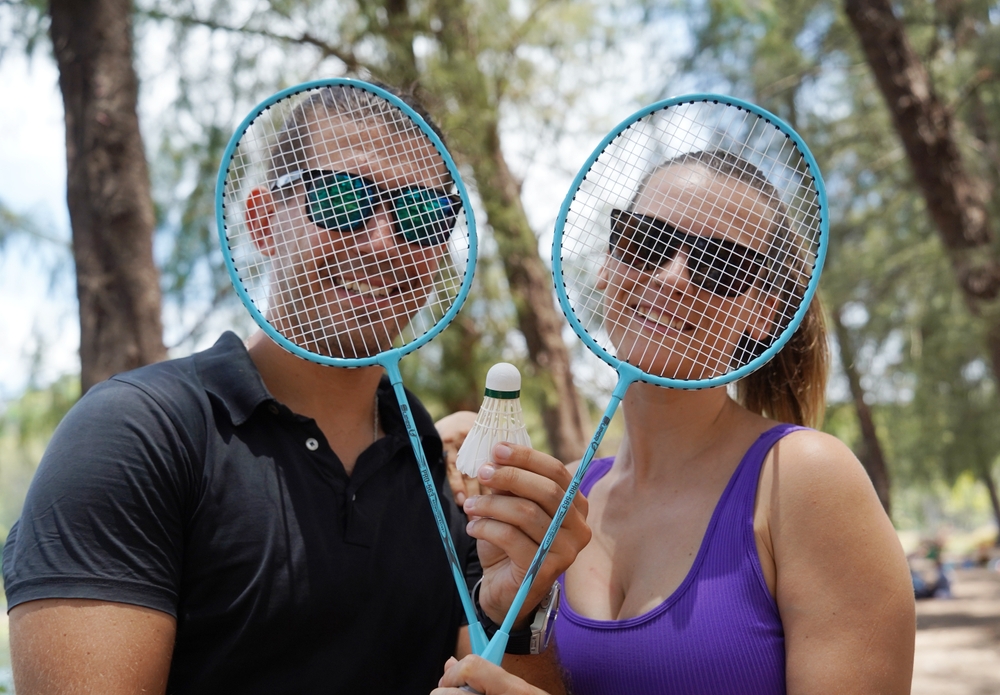
There’s something brilliant about picking up a new hobby as an adult. Whether it’s joining a local tennis club, getting back into netball after years away, trying out badminton with friends, or finally booking that dance class you’ve been eyeing up. These activities bring energy, community and a sense of play back into movement. But as fun as they are, they also ask a lot of your body, especially if you haven’t been moving in this way for a while. That’s where strength training becomes your secret weapon.
Most people think of strength training as something separate from sport, almost like two different worlds. But the truth is strength work is one of the most effective ways to support your performance, reduce your injury risk and help you enjoy your new hobby for longer. You don’t need to train like an athlete or spend hours in the gym. What you do need is a bit of targeted work that prepares your muscles, joints and connective tissues for the specific demands of your sport.
One of the biggest demands in sports like tennis, badminton, netball and dance is lateral movement. Unlike running or cycling, which are mostly forward‑backward activities, these sports involve constant side‑to‑side motion. You’re shuffling, pivoting, lunging, changing direction and reacting quickly. That means your ankles, knees and hips need to be strong and stable in multiple planes of movement, not just the straightforward ones. If they’re not, that’s when you start to see twisted ankles, pulled muscles or that familiar feeling of something not quite right after a quick change of direction.
Lateral strength training fills that gap. It teaches your body to control movement side to side, to decelerate safely and to produce force in directions you might not be used to. It also strengthens the smaller stabilising muscles around the ankles and hips, which are often the first to complain when you start a new sport. The good news is that these exercises don’t need to be complicated. A few well‑chosen movements, done consistently, can make a noticeable difference in how confident and resilient you feel on court or in class.
One of the most useful exercises for ankle protection is the lateral step‑down. It looks simple, but it trains the muscles that stop your ankle from collapsing inwards when you land or push off. To do it, stand sideways on a step with one foot on the step and the other hanging off the side. Slowly lower the hanging foot towards the floor by bending the knee of the supporting leg. The key is to keep your hips level and your knee tracking over your toes rather than dropping inwards. Then press back up to the start. You’ll feel the outer hip working hard, and that’s exactly what you want. This exercise teaches your ankle and knee to stay aligned during sideways movement, which is essential for preventing twists.
Another great option is the lateral lunge. This one mimics the kind of movement you do in tennis or netball when you reach for a ball or defend a space. Start standing tall, then take a big step to the side and sit your hips back into the stepping leg, keeping the other leg straight. Push the floor away to return to standing. The aim is to feel the glutes and inner thighs working together. This movement helps you build strength in the muscles that control side‑to‑side shifts, making you more stable when you have to move quickly or unexpectedly.
If you want something that challenges your balance and ankle stability even more, try the single‑leg lateral reach. Stand on one leg and reach the other leg out to the side, tapping the floor lightly before bringing it back in. Alternate each leg. Keep your standing leg soft and your foot rooted into the ground. You’ll feel the small muscles around your ankle working to keep you steady. This is exactly the kind of control you need when you land from a jump or change direction in sport. It’s a simple exercise, but it builds the kind of resilience that pays off when you’re on court.
For a more dynamic option, the skater hop is a brilliant choice. It’s a controlled side‑to‑side jump that teaches your body to absorb force laterally. Start by hopping to one side and landing softly on one foot, letting the other leg sweep behind you like a speed skater. Pause to stabilise before hopping back the other way. The pause is important because it forces your ankle and hip to work together to keep you balanced. Over time, this improves your ability to decelerate and stabilise during fast changes of direction, which is one of the biggest factors in preventing ankle injuries.
It’s also worth mentioning that strength training doesn’t just protect your joints. It helps you feel more powerful and capable in your sport. When your legs and hips are stronger, you can push off more quickly, jump higher, move with more confidence and maintain good form even when you’re tired. That means you enjoy the activity more and recover better afterwards. Strength training also supports your connective tissues, which is especially important if you’re returning to sport after a long break or starting something completely new.
If you’re someone who’s been doing mostly linear exercise like running or walking, lateral training can feel unfamiliar at first. That’s normal. The key is to start small and focus on control rather than speed. Think of it as teaching your body a new language. The more you practise, the more fluent you become. And once your body understands how to move well sideways, everything from lunging for a tennis ball to landing a jump in dance class feels smoother and safer.
Another thing to keep in mind is that strength training doesn’t need to be a separate workout. You can add a few lateral exercises to your warm‑up before your sport, or include them in a short home session once or twice a week. Consistency matters more than volume. Even ten minutes of focused work can make a difference if you do it regularly.
As you build strength and confidence, you’ll probably notice that your new hobby feels more enjoyable. You’ll move with more ease, react more quickly and feel less worried about rolling an ankle or pulling something.
Trying something new as an adult is brave and exciting. Strength training is simply the support system that helps you keep going, keep improving, reducing injury risk and keep enjoying the process. Whether you’re chasing a shuttlecock, defending a netball post or learning a new dance routine, your body deserves the strength to move confidently in every direction. Lateral training is a small investment that pays off every time you step onto the court or into the studio.
If you wish to find out more, get in touch to see how a personal trainer might help.
