
Why our knees feel stiff after long drives
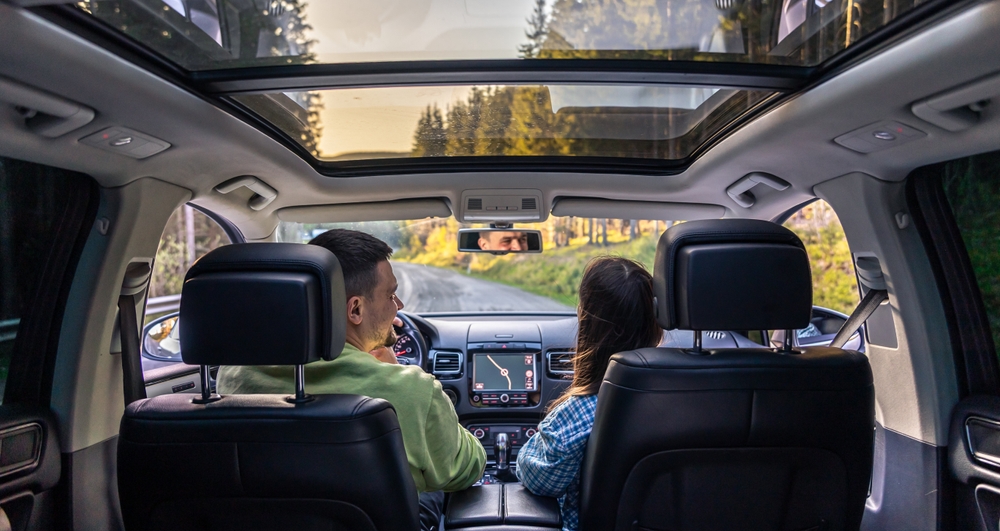
As summer approaches, many of us spend longer stints in the car now and then; heading to the beach, travelling to weddings, visiting family, or setting off on UK holidays. Longer journeys can be lovely, but they also come with a familiar side effect, that uncomfortable, achy stiffness around the knees when you finally get out of the car.
There are a few physiological reasons as to why this happens and none of them mean anything is ‘wrong’ with your knees. They’re simply responding to being held in one position for longer than they like. When you sit in a car seat, your knees stay in a fixed, bent position. This means the tissues around the joint (the muscles, tendons, ligaments and the joint capsule) aren’t moving through their normal range. Joints rely on movement to circulate synovial fluid, which is the nutrient‑rich lubrication that keeps everything gliding smoothly. When movement is limited, that fluid doesn’t circulate as well and the joint can feel stiff or “rusty” when you first straighten your legs again.
The muscles around the knee also shorten slightly when held in a bent position for a prolonged period of time. The hip flexors, quads and calves all adapt to the shape you’ve been sitting in. When you stand up, those tissues need a moment to lengthen again, which can create that tight, achy sensation.
There’s also the simple issue of compression. Sitting for long periods reduces blood flow through the legs, especially behind the knee. This can make the area feel heavy or swollen until you start moving again and circulation picks back up.
What you can do to release that stiffness
The good news is that this type of knee stiffness after driving is usually temporary and responds really well to gentle movement. A few simple strategies can make a big difference. Here ae some things you can try:
Move the joint through its range Once you’re out of the car, gently bend and straighten your knees a few times. Think of it as ‘waking up’ the joint and getting that synovial fluid moving again.
Straighten your legs fully If you’ve been sitting with your knees bent for hours, giving them a moment in full extension helps the tissues around the joint lengthen back out.
Do a few slow marches on the spot This encourages blood flow through the legs and helps the hip flexors and quads release.
Add a gentle calf stretch Tight calves can contribute to knee discomfort, especially after long periods of sitting. A simple heel‑down stretch against a wall works well.
Take breaks on longer journeys Even two minutes of standing, walking and moving your knees through their range can prevent that “seized up” feeling when you arrive.
Reducing the chances of knee stiffness on long drives
While some stiffness is a normal response to being in one position for a long time, there are a few simple things you can do before and during a journey to reduce how much your knees complain at the other end.
Set up your seat so your knees aren’t overly bent A slightly more open knee angle helps reduce compression behind the joint. Bringing the seat back a touch or lowering it (if your car allows) can give your legs more space. You’re aiming for a comfortable bend, not a tight fold.
Adjust the distance to the pedals If you’re driving, sitting too close to the pedals keeps the knee in a deeper bend and makes the quads work harder to hold you there. If you’re too far away, you end up reaching and tensing. A middle ground where your knee has a soft bend and your foot can press the pedal without strain is ideal.
Use cruise control when it’s safe This gives your right leg a break from holding a fixed position. Even small changes in angle help keep the tissues around the knee happier.
Shift your position regularly Even tiny adjustments like sliding your foot forward, rolling your knee slightly outwards, straightening your leg for a moment if you’re a passenger can help keep the joint from feeling ‘stuck’.
Stay hydrated It sounds basic, but joint tissues rely on fluid balance. Dehydration can make everything feel a little creakier, especially when combined with long periods of sitting. Staying hydrated also means a few more toilet stops and chances to stretch your legs.
Plan short movement breaks If you’re driving for more than 90-minutes, a quick stop to stand, walk and move your knees through their range can make a huge difference. Even two minutes of movement resets the joint and boosts circulation.
Warm up before you get in the car A few gentle knee bends, calf raises or hip circles before you set off can prime the tissues and reduce that seized‑up feeling later.
While it is reassuring that the stiffness does ease, if you wanted to chat about how to build a mobility routine to help ease tight joints and to gently strengthen the muscles around knees please get in touch.
