
Training through pregnancy: Strength exercises, breath work and support through every trimester.
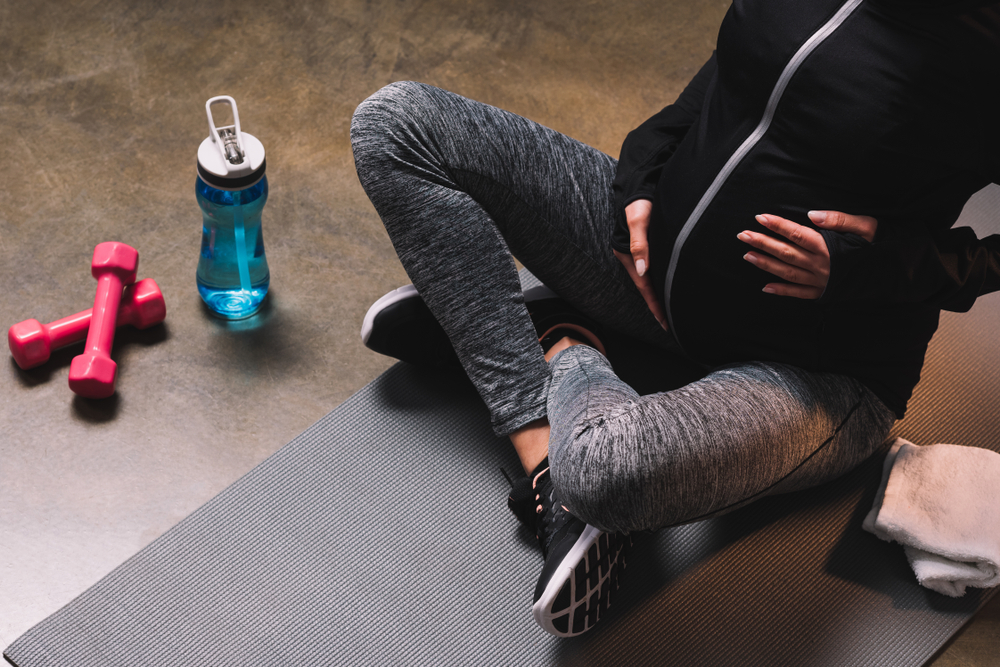
Supporting clients through pregnancy is one of the most rewarding parts of being a fitness professional. Their bodies are rapidly changing, their energy levels fluctuate and their relationship with movement evolves week by week. Thoughtful, structured strength training can make a big difference in how they feel throughout pregnancy and how they recover postpartum.
Below I share some tips on how I have trained a couple of my pregnant clients. I explain why training needs to change cross the three trimesters, why pelvic floor and breath work matters and share sample strength focused workouts that can be adapted to individual needs. I’ll also touch on why working with a qualified personal trainer is so valuable during this time of change.
Why strength training matters during pregnancy
Exercise and movement is important for everyone, but in particular for women who are expecting. Strength training during pregnancy can help clients to maintain functional strength for daily life, support posture as they body changes to a growing bump, reduce back pain, build confidence and prepare the body for the physical demands of the labour. The key is to adapt training schedules to each trimester, responding to the Mum to be’s symptoms and their fitness experience level.
The role of pelvic floor work and breath work.
The pelvic floor doesn’t need to be constantly ‘strengthened’ it needs to be responsive. Pregnancy places increasing load on these muscles, so helping clients connect with both contraction and relaxation is essential. Over tension can be just as problematic as weakness Useful cues include: ‘Lift and release’ rather than ‘squeeze and hold’, visualising the pelvic floor like an elevator: up, down, and resting at ground level and coordinating breath with movement
Breath work for stress and core support
Breath work is a powerful tool for both physical and emotional wellbeing during pregnancy.
Square breathing, can be a useful technique to master to help reduce stress, regulate the nervous system and create a sense of calm. You need to inhale for 4, hold for 4, exhale for 4, hold for 4.
Practicing this technique is not only a great way to help clients stay present and connected to their bodies but also to help manage the labour itself. Breath to movement patterns (exhale on exertion) support the core and pelvic floor during strength work.
Training through the trimesters
First trimester (weeks 1–12)
Energy levels can be unpredictable and nausea may limit intensity, however most clients can continue with similar training schedules with small adjustments. Training routines should focus on establishing strong movement patterns, focusing on breath to core connection, avoid overheating and adjust workout intensity based on symptoms.
A sample strength workout might include:
1. Goblet squat – 3×10
2. Incline dumbbell chest press – 3×10
3. Seated row or band row – 3×12
4. Hip hinge (kb deadlift or similar) – 3×10
5. Bird dog – 3×8 each side
6. Pelvic floor and breath cycle – 5 slow reps
Second trimester (weeks 13–27)
The second trimester is the ‘feel good’ trimester for many. The bump becomes more noticeable, Mum to be generally feels better and some exercises may need modification. Training should focus on supporting postural changes, reducing exercises where you lay on your back, maintain strength focus and introducing more stability work.
A sample strength workout might include:
1. Supported split squat – 3×8 each side
2. Half kneeling single arm press – 3×10
3. Lat pulldown or band pulldown – 3×12
4. Cable or band press – 3×10 each side
5. Glute bridge (elevated if needed) – 3×12
6. Square breathing – 3–4 rounds
Third trimester (weeks 28–40)
Movement becomes more about comfort in the third trimester, mobility and preparing for birth. Strength training remains valuable but should be adapted as needed. The focus might include: reducing impact and wide stance movements, prioritising functional strength for labour, emphasising relaxation of pelvic floor as much as activation and keeping sessions shorter or more frequent, if needed.
A sample strength workout might include:
1. Box squat – 3×8
2. Supported dumbbell rows – 3×10
3. Banded hip thrust or standing kickbacks – 3×12
4. Standing overhead band press – 3×10
5. Side lying or quadruped core work – 3×8 each side
6. Pelvic floor relaxation and breath work – 3–5 minutes
Why working with a qualified personal trainer matters.
Pregnancy is a time of rapid change for a woman and her body, having a trained professional guiding the process offers huge benefits. A qualified instructor can explain how to modify the routine to adapt as needed, offer accountability when motivation dips, reassure Mum to be that they are safely exercising and explain what is happening throughout the process.
If you are expecting a baby, congratulations! Please get in touch to see how working with a personal trainer might work for you.
